Showing posts with label taurasi. Show all posts

Monday, March 20, 2023

Comparison of Aglianico del Taburno vs. Taurasi

It’s almost impossible to talk about the wine region of Campania without discussing the Aglianico grape.  Campania is where Aglianico shines, along with the Basilicata region next door, but depending on the area in which it is produced will determine what you get in the glass.  Two of Campania’s appellations, Taurasi DOCG and Aglianico del Taburno DOCG, showcase the great qualities that this grape possesses so let’s take a look at the two in comparison.

Taurasi DOCG

The Taurasi DOCG appellation is in the province of Avellino in Irpinia about 35 miles east of Naples.  The area in which these vineyards are located are in the mountainous Calore Valley with altitudes of 1,000 to 2,300 feet above sea level.  As you can imagine due to the mountains this area has a cooler climate that moderate the Tyrrhenian Sea influences that create large diurnal swings.  Many of these vines beat phylloxera that ran rapid through most of Europe so you will find some ancient vines in this area.

The Taurasi DOCG was established in 1993.  It was the first DOC in southern Italy in 1970 and this was driven by the known producer, Antonio Mastroberardino.  He saw the potential in Aglianico and other native grapes of Campania after World War II when the government at the time was pushing for grapes that would be more productive.  Due to his efforts and success with producing quality Aglianico in 1968 he released his Aglianico that set the stage for this grapes success.  

Aglianico under the Taurasi DOCG must consist of a minimum of 85% Aglianico, although many producers you will see produce wines made from 100% Aglianico.  The wines must age a minimum of 3 years with one in wood with the riserva wines aging for at least 4 years with 18 months in wood.  The wines of this area are full-bodied, complex, structured wine with a rich, bold profile.  A flavor profile of cherry, black cherry, violet, spice, leather and tobacco to name a few.  They are wines that have high alcohol, acidity and tannin allowing these grapes to be quite age worthy.  To tame these wines to make them more approachable in their youth some producers will have shorter maceration times and the usage of barrels for balance.

Aglianico del Taburno DOCG

The Aglianico del Taburno DOCG on the other hand is located in the Sannio appellation that I spoke about last week within the Benevento province.  This DOCG was established much later in 2011.  This area faces hot days and cool nights tempered by the mountains.  Aglianico del Taburno has similar soils to Taurasi with volcanic matter and calcareous clay, but here there is sandstone while Taurasi has limestone in addition to the previous mentioned.

The Aglianico here is from a biotype known as Aglianico Amaro which carries a high acidity.  These wines will usually have a lighter profile than Taurasi.  They too also must be made from at least 85% Aglianico with most producers using 100% Aglianico as well.  They are aged at least 2 years and riservas are aged at least 3 years with 1 year in wood and 6 months in the bottle. 

The wine

Although I don’t have a wine from the Aglianico del Taburno to share this week, I did enjoy a bottle of Taurasi from Donnachiara.  You can’t go wrong with any wines from this producer as I’ve experienced over the years.  I sampled a 10 year old bottle that proved to me the longevity of this wine with how much life was still in the bottle.  It was a 2013 Donnachiara Taurasi DOCG made from 100% Aglianico. 
2013 Donnachiara Taurasi
This is a grape that grows early and is harvested late as you can see in this bottle with these grapes harvested the first half of November.  The wine was aged 12 months in 225 liters of French barrique with another 12 months in the bottle.  Although the label stated it is “ruby red with purple” colors in the glass mine was more garnet with some slight brick hues on the edge, which could be from it’s age.  A rich nose in the glass of black cherries, blackberries and licorice.  This wine needed  a little time to aerate as it had some gripping tannins up front that smoothed out with a little time.  Dry with a persistent finish.  ABV 13.5%

The pairing

I paired this Donnachiara Taurasi with ribs cooked in my Instant Pot as I've had much success in preparing them this way.  For me these days it's about the ease, time and quality with many balls in the air.  With a touch of homemade BBQ sauce broiled for a few minutes once they came out they held their own paired with this Aglianico.  This grape is one that definitely needs to be paired with rich meats and flavorful dishes.

Instant pot ribs paired with Taurasi
ribs paired with Aglianico

In conclusion, I connected with a couple producers from these areas and they both agree over the difference in quality between these two appellations.  Gianluigi Addimanda from Cantine Fratelli Addimanda stated that the biotypes are the same, but over the centuries they’ve differentiated expression and production.  Aglianico del Taburno is more productive than those produced in Taurasi.   Taurasi was influenced by the Vesuvius eruption in 79 B.C. that increased the quality of these wines allowing it to become the first DOCG out of those appellations primarily based on AGlianico.  Claudio de Luca of Case d’Alto states that AGlianico is still Aglianico physiologically with the structure of the grapes and moderate vigor.  Overall it’s the soils and technologies that allow for different products. 


Friday, December 31, 2021

Why Aren't You Drinking More Aglianico?

Happy New Year Italian wine loving friends!  I'm thrilled to start the New Year featuring one of my favorite Italian red native grapes, Aglianico.  Our host this month for our Italian Food, Wine and Travel group (#ItalianFWT), Camilla, broached the topic and I jumped right on board.  I've written a piece in the past comparing Aglianico to Nebbiolo from Northern Italy, but Aglianico deserves attention in its own right.  

The Grape ~ Aglianico

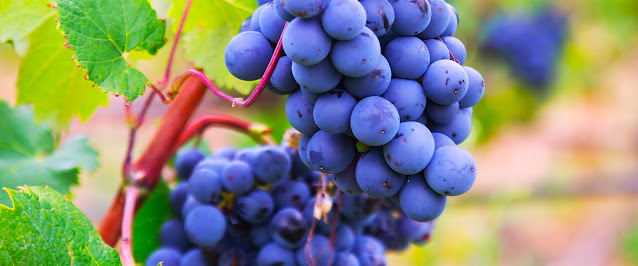
Aglianico, pronounced "ah-lee-ah-knee-co", is an Italian native grape found in southern Italy, mostly in the Campania and Basilicata wine regions.  It's a dark, almost black colored, grape that buds early, but is harvested late.  It is thick skinned resulting in wines that are darkly colored, high in acidity and tannins along with a full body.  These wines also have great potential for aging.  They are typically complex with great structure showing pure red fruits that are savory and earthy not heavily masked by oak.  

The Wine Regions ~ Campania and Basilicata

Aglianico loves sunshine and dry climates and grows particularly well in the volcanic soils of both Campania and Basilicata.  Volcanic wines are unique lending minerality to the wines.

Campania is home to a couple DOCG's that feature the Aglianico grape.  One of the most known and respected DOCGs throughout Italy for Aglianico is the Taurasi DOCG.  Located in the Irpinia appellation, the eastern part of Campania bordering the Puglia and Basilicata regions, this DOCG was the first in southern Italy established in 1993.  The Taurasi vineyards are located outside of Avellino in the area of one of Europe's most active volcanoes, Mt. Vesuvius.  These wines require a minimum of 85% Aglianico and must be aged at least 3 years with at least 1 year in wood.  The Riserva wines require an additional year with 18 months spent in wood.

Also in Campania in the Sannio appellation is the Aglianico del Taburno DOCG established in 2011.  Along with Taurasi and Aglianco del Vulture we'll be discussing, this is the 3rd biotype of Aglianico also known as Aglianoc Taburno hailing from the area of Taburno.  These wines also require a minimum of 85% Agliancio with 2+ years aging and Riserva wines requiring 3+ years (6 months in bottle) and 13%+ alcohol.

Aglianico grape of southern Italy
Aglianico grapes, copyright of Consorzio di Tutela Aglianico del Vulture

The Basilicata wine region, just to the east of Campania, hosts both a DOC and DOCG with Aglianico via Aglianico del Vulture DOC and Aglianico del Vulture Superiore DOCG.  These vineyard sites are located in the northern part of the Basilicata and are both made from 100% Aglianico.   The wines from the DOC cannot be released before September 1st a year after the harvest where the DOCG wines require 3+ years with 1 year spent in wood and 1 year in bottle.  The Riserva DOCG wines require 2+ years in wood with 1 year in bottle and cannot be released before November 1st until 5 years after harvest.

The Wines

Unfortuately, I don't have any particular wines to share today as my local wine shop didn't have any and I didn't have any in my stash as well.  2022 I believe is the year I venture out into purchasing wine online since my time is always very limited to try and seek out particular wines that just sometimes aren't in abundance in my area.  You can view some of my older posts with an Aglianico from Grifalco in the Basilicata and another Aglianico from the Basilicata from D'Angelo or even this Aglianico from Donnachiara in Campania.

I loves Aglianico due to their quality price ratio.  You can get many of these great wines from the high teens to $30-40 in comparison to some of the other noble wines of Italy that carry a much heftier price tag.  So what are you waiting for?  Don't just take my word for it.  Get out there and experience Aglianico for yourself.

Cheers to the New Year and please reach out with what you would like to see more of this year.  I love to hear from my readers!

Join us live on Twitter this Saturday at #ItalianFWT @ 11am EST.  Join my fellow food and wine lovers as they share their selected Aglianico wines with occasional pairings.

Saturday, January 26, 2019

The Women and Wines of Donnachiara

Campania is a region I’ve always enjoyed wines from and unfortunately a region I don’t drink enough of.  These are wines that should be relatively easy to access on the market.  Some of the most popular wines featured from this region include Taurasi made from the aglianico grape as well as Fiano di Avellino and Greco di Tufo.  You’ll probably also come across some falanghina as well.  Do some of these sound foreign to you?  Let’s check out a couple of them today featuring the Donnachiara winery of Montefalcione.   

The Winery 
The Donnachiara winery is located in the small town of Montefalcione, within the province of Avellino close to Naples.  A place near and dear to my heart, although I haven’t visited Avellino yet.  I have been to parts of Campania including Naples and the stunning Amalfi coast.  As I’ve mentioned before, my father’s side of the family hails from this region.  There are plenty of great wines coming out of this wonderful wine region. 
Donnachiara wines of Avellino
The vineyards of Donnachiara - Copyright of Donnachiara
The vineyards of Donnachiara have been in the family for 150 years, but the winery was only established in 2005. It is a small, women owned winery owned and managed by 5th generation Ilaria Petitto and her mother Chiara. Through my research of the winery Ilaria is very active in the industry and her passion shows.  I truly appreciate women that work in this business as it’s not easy.  The winery was named after Ilaria’s great-grandmother Chiara and for all that don’t know donna means woman.  Chiara saw the estate through two world wars, on her own as her husband, Antonio Petitto whom was Colonel doctor in the Italian Red Cross, was off to war.  
Ilaria Petitto of Donnachiara wines
Ilaria Petitto - copyright of Donnachiara
Donnachiara only works with autochtonous grapes, native grape varietals.  For white grapes they produce greco di tufo, coda di volpe, falanghina and fiano di avellino.  All their red wines are produced from the aglianico grape in different styles including aglianico campania, Irpina Aglianico DOC, Taurasi and Taurasi riserva. 

The Grapes 
The wines featured today feature the greco and aglianico grapes, both DOCG designations in CampaniaGreco di Tufo gained its status in 2003 where wines must be produced with a minimum of 85% greco di tufo with an allowance of up to 15% of coda di volpe allowed.  Greco di Tufo is a respected white wine found in the Avellino province and is named after the town of Tufo, but also the type of rock in which it is grown produced from volcanic ash.  These wines are best suited to be produced in the volcanic hills of Avellino.    
Aglianico is one of my favorites and is found in both Campania and the nearby region of Basilicata.  For those of you that enjoy those full bodied, rustic wines, aglianico is for you.  It’s a wine full of body and character with high acidity and tannins.  It’s definitely a wine that can be aged for many years.  Taurasi is a wine that must be produced of at least 85% aglianico.  With the high tannins in these wines they do need some time to open up so if you’re looking for immediate gratification make sure to decant it.  It’s a shame that this wine is overlooked and not at the forefront of the market with some of the top players as it deserves.             
          
The Land  
The region of Campania is located in southern Italy bordering the Tyrrhenian Sea and touching multiple regions including Lazio, Molise, Puglia and Basilicata.  Originally colonized by the ancient Greeks and part of the Magna Grecia before the Romans dominated.  It was known as oenotria, the land of wine, and today is still known for the quality that is produced. 
Campania is mostly dominated by hills and mountains with a small percentage of plains.  What’s unique about this region is the presence of volcanic matter in the soils from Mount Vesuvius and Campi Flegrei that truly gives these wines the character that they are known for.  You’ll typically detect minerality and a “salty” character in the wines.           

The Wines 
2017 Donnachiara Greco di Tufo DOCG: I featured this wine as one of my Thanksgiving wine picks this past year.  It is made of 100% greco.  A dry and delicate wine filled with citrus, pears and pineapple.  Backed with good acidity, nice salinity and minerality rounding out with a lengthy finish.  ABV 13% SRP $20 

2013 Donnachiara Taurasi DOCG: Made of 100% aglianico this wine is sourced from their Torre le Nocelle vineyards.  It spends 12 months in french barrique and is refined in the bottle for another 2 years.  Ruby red in color with purple hues.  An intense, full nose of dark fruits (blackberries and plums) with hints of cocoa.  A dry, full-bodied wine with great structure and elegance.  ABV SRP $35
Donnachiara Greco di Tufo and Taurasi


*These wines were provided as samples, but opinions are my own and I was very happy to share these samplings today.


Thursday, March 6, 2014

Exploring the Campania region with Fiano, Greco and Taurasi

Avellino, Campania Italy

This week I'm going to focus on the wines from Avellino in the Campania region of southwestern Italy.  You may also know this area and coast by way of the Gulf of Napoli or one of my favorites, the stunning Amalfi Coast.  If you haven’t been I strongly recommend adding it to your list next time you visit Italy.  I’m happy to share some of my pictures if you need convincing and you won’t need it much longer after that.  In the Boston area, where I live, there are many Italian immigrants that migrated here from Avellino, including my great grandparents on my father's side.  

I'm very proud of my Italian heritage.  Growing up in an Italian household with a mother that is an amazing cook has made me appreciate the wonderful traditions in the food that is celebrated throughout the regions in the country.  Living in Italy over 10 years ago made me appreciate the wonderful wines that this country can produce and has brought me back there time and time again. 

The Campania region, in particular Avellino, is known for their whites including Greco, Fiano and Falanghina.  You can visit one my earlier blogs here about a Falanghina from one of the top producers from this region, Feudi di San Gregorio.  The top red wine in this region is Taurasi made from the Aglianico grape.  They produce other whites as well such as Coda di Volpe that is typically blended in and reds like Piedirasso and Sciascinoso, but today I’m going to focus on the primary grapes of this region.  . 

Greco grape
Greco is typically the lightest of the whites and is crisp and dry with notes at times of almond and lemon.  You can find it listed as Greco di Tufo DOCG from the Avellino area if it qualifies for that status, but you can also locate Greco in other parts of Italy.  Both Greco and Fiano were granted the ability to use the DOCG status in 2003.  The soils of this area can be minerally since there are remnants of the lava and volcanic ash from Mt. Vesuvius. 

Fiano grape
Fiano has more intensity than Greco and is more aromatic with hints of honey mostly.  In Avellino you can find it also under the DOCG designation known as Fiano di Avellino DOCG if it meets the requirements, which is a minimum of 85% of Fianco.  I’ll speak more in depth about this grape on my next blog after the tasting.

Aglianico grape
Taurasi is your most popular red in the Campania region, which is primarily made up of Aglianico.  Mastroberardino was the original classic producer of Aglianico, but it has become much more widespread now due to its recognition in the wine world and now many other producers are growing this grape.  It’s a rich wine with tannins, hints of smoke and leather.  Aglianico also is known to come from the Basilicata area, known as Aglianico del Vulture.  They were also granted DOCG status further back in 1993 and their wines also must be a minimum of 85% Aglianico with a blend of other grapes like Barbera, Piedirasso or Sangiovese.  To be granted DOCG status they must age the wines 3 years with at least 1 of those years in wood and to be named a Riserva it requires 4 years with 18 months in oak.
Aglianico Taurasi Campania, Italy
Aglianico grapes
Tomorrow I’ll be attending an Italian wine tasting where I’ll be sampling a Fiano from Casa di Baal, along with some other wines from the Piedmont region, which will tie in nicely with what I have been covering lately so make sure to come back over the next couple days.